
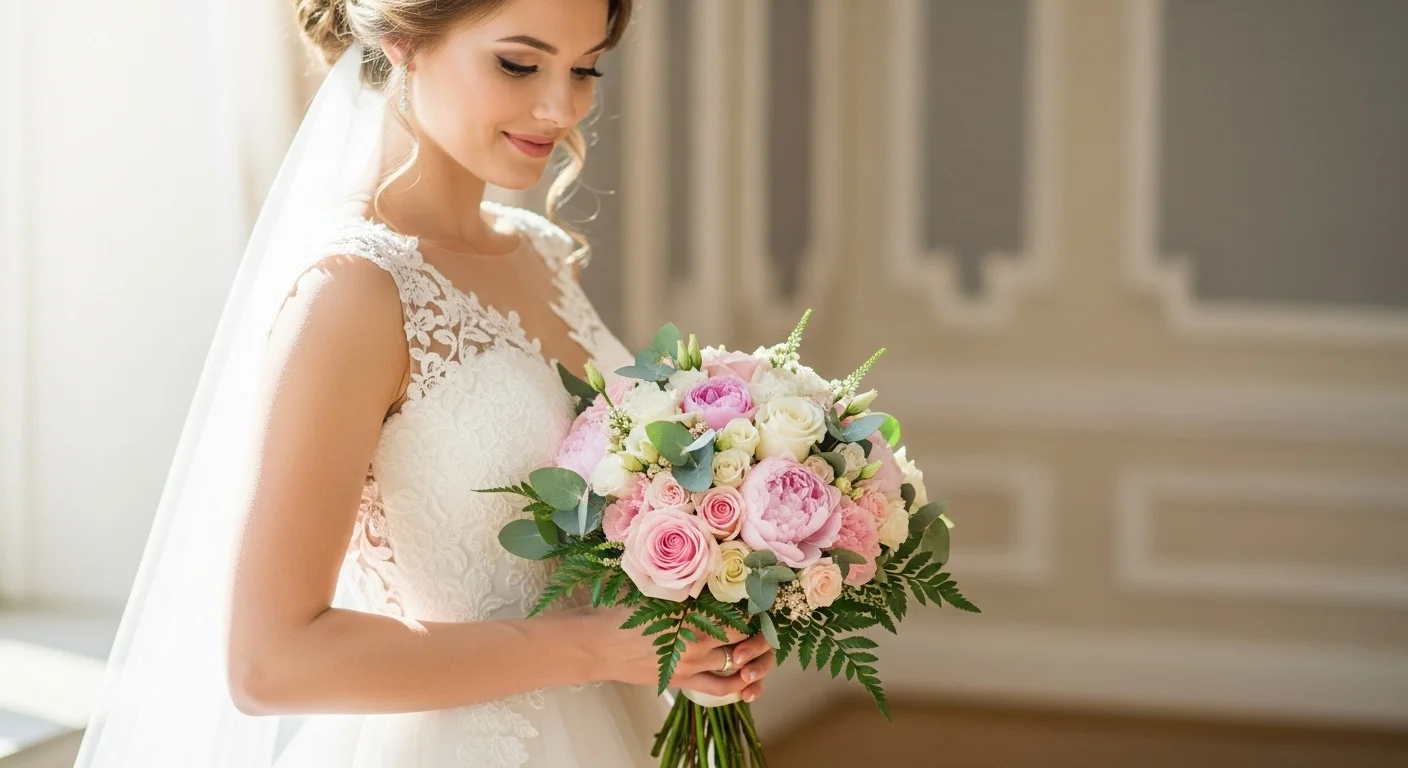
Choosing the right flowers for wedding dress styling is about much more than picking beautiful blooms. Wedding flowers play a powerful role in shaping the bride’s overall look, enhancing the gown’s elegance, and creating visual harmony from head to toe. From bouquet styles to floral accessories, every detail contributes to a cohesive bridal aesthetic.
This complete guide explores how to select wedding flowers that complement your dress, personality, season, and wedding style while helping you avoid common mistakes and make confident choices.
Understanding the Role of Flowers in Bridal Styling
Flowers are not just accessories. They are an extension of the wedding dress and a key element of bridal styling. The right floral choices can soften structured gowns, elevate minimalist dresses, and enhance romantic silhouettes.
Wedding flowers frame the bride visually in photographs, influence the color palette of the wedding, and even reflect emotions and symbolism. When thoughtfully chosen, flowers help balance proportions, guide the eye, and create a polished, intentional look that feels effortless.
Types of Flowers Used for Wedding Dresses
Popular Fresh Flowers for Bridal Looks
Fresh flowers remain the most popular choice for bridal bouquets and floral accents. Some of the most commonly used wedding flowers include roses, peonies, ranunculus, orchids, hydrangeas, tulips, and baby’s breath. These blooms are favored for their elegance, variety of colors, and ability to suit different wedding themes.
Soft flowers like peonies and garden roses pair beautifully with romantic and classic gowns, while orchids and calla lilies complement modern and minimalist wedding dresses.
Artificial, Silk, and Preserved Flowers
Artificial and preserved flowers have become increasingly popular, especially for destination weddings or outdoor ceremonies. High quality silk flowers offer durability, weather resistance, and long lasting beauty. Preserved flowers provide a natural look with extended longevity and are often chosen for keepsakes.
These alternatives are ideal for brides who want a consistent look throughout the day without worrying about wilting or damage.
How Flowers Are Used With a Wedding Dress
Floral Bouquets and Dress Balance
The bridal bouquet is the most prominent floral element and should complement the wedding dress rather than overpower it. The size and shape of the bouquet must align with the gown’s silhouette. A voluminous ball gown pairs well with a fuller bouquet, while a sleek dress benefits from a refined, structured arrangement.
Floral Accessories on the Dress
Flowers can also be incorporated directly into the dress through delicate appliqués, floral embroidery, waist sashes, shoulder accents, or trailing floral details. These elements add dimension and romance while creating a seamless connection between the dress and florals.
This approach is especially effective for outdoor, garden, or boho weddings.
Matching Flowers With Wedding Dress Styles
Ball Gown Wedding Dresses
Ball gowns feature dramatic volume and timeless elegance. Round or cascading bouquets with roses, peonies, or hydrangeas work best to balance the fullness of the skirt.
A Line Wedding Dresses
A line dresses are versatile and suit most bouquet styles. Hand tied bouquets or loose organic arrangements complement this silhouette beautifully.
Mermaid and Trumpet Dresses
These fitted styles call for elongated bouquet shapes such as cascading or crescent bouquets. Orchids, calla lilies, and structured florals enhance the sleek design.
Short and Modern Wedding Dresses
Short dresses pair well with posy bouquets, minimalist arrangements, or even floral wristlets for a playful and contemporary look.
Choosing Flowers Based on Wedding Dress Color
Flowers for White Wedding Dresses
White gowns offer maximum flexibility. Soft pastels, classic whites and greens, or bold contrasting colors all work depending on the desired effect.
Flowers for Ivory and Champagne Dresses
Ivory and champagne dresses look stunning with warm toned flowers such as blush roses, peach ranunculus, and creamy blooms.
Flowers for Blush and Pastel Dresses
Pastel dresses benefit from complementary shades or subtle contrasts to avoid blending too much. Slightly deeper tones add depth and definition.
Bold Flower Choices for Minimal Dresses
Minimalist dresses allow room for statement florals. Bold colors, unique textures, and dramatic shapes can elevate a simple gown.
This is where flowers for wedding dress styling truly becomes a form of personal expression.
Seasonal Flower Guide for Wedding Dresses
Spring Wedding Flowers
Spring offers fresh blooms like tulips, daffodils, peonies, and lilacs. These flowers are ideal for soft, romantic bridal looks.
Summer Wedding Flowers
Summer weddings feature roses, sunflowers, orchids, and dahlias. Heat resistant blooms are important for outdoor ceremonies.
Autumn Wedding Flowers
Autumn brings rich tones with flowers such as chrysanthemums, dahlias, and seasonal foliage that pair beautifully with rustic or vintage dresses.
Winter Wedding Flowers
Winter weddings often feature elegant blooms like anemones, amaryllis, and roses paired with greenery and textured accents.
Fresh vs Artificial Flowers for Wedding Dresses
Fresh flowers offer natural beauty and fragrance, while artificial flowers provide consistency and durability. Brides should consider comfort, weight, climate, and budget when deciding.
Artificial flowers are particularly useful for long ceremonies or destination weddings, while fresh flowers are ideal for traditional settings where florals are readily available.
Both options can be mixed thoughtfully for a balanced approach.
Cultural and Regional Flower Traditions
Different cultures place unique significance on wedding flowers. Western traditions often favor roses and peonies, while South Asian weddings incorporate jasmine and marigolds for symbolism and fragrance.
Understanding cultural meanings helps brides choose florals that reflect heritage while aligning with modern bridal fashion.
Common Bridal Flower Mistakes to Avoid
One of the most common mistakes is choosing flowers without considering the dress style. Overly large bouquets can overwhelm delicate gowns, while tiny arrangements may feel underwhelming with dramatic dresses.
Ignoring seasonality can increase costs and reduce quality. Another mistake is prioritizing trends over personal comfort and style.
A balanced approach ensures flowers for wedding dress coordination feels intentional and timeless.
Budget Friendly Tips for Bridal Flowers
To manage costs, choose seasonal and locally available flowers. Mixing premium blooms with filler flowers creates a lush look without excess expense. Artificial or preserved flowers can also reduce long term costs.
Clear communication with your florist helps avoid hidden charges and ensures your vision stays within budget.
FAQs About Flowers for Wedding Dress
What flowers suit a simple wedding dress best
Minimal dresses pair beautifully with bold or textured bouquets that add visual interest.
Should bouquet color match the wedding dress
Bouquet colors can either complement or contrast the dress depending on the desired style.
Are artificial flowers acceptable for weddings
Yes, modern artificial flowers are widely accepted and often indistinguishable from fresh blooms.
When should wedding flowers be chosen
Most brides select their florals six to nine months before the wedding.
Choosing flowers for wedding dress planning is a creative journey that blends style, emotion, and personal expression. With thoughtful coordination, the right florals enhance not only the dress but the entire bridal experience.

