
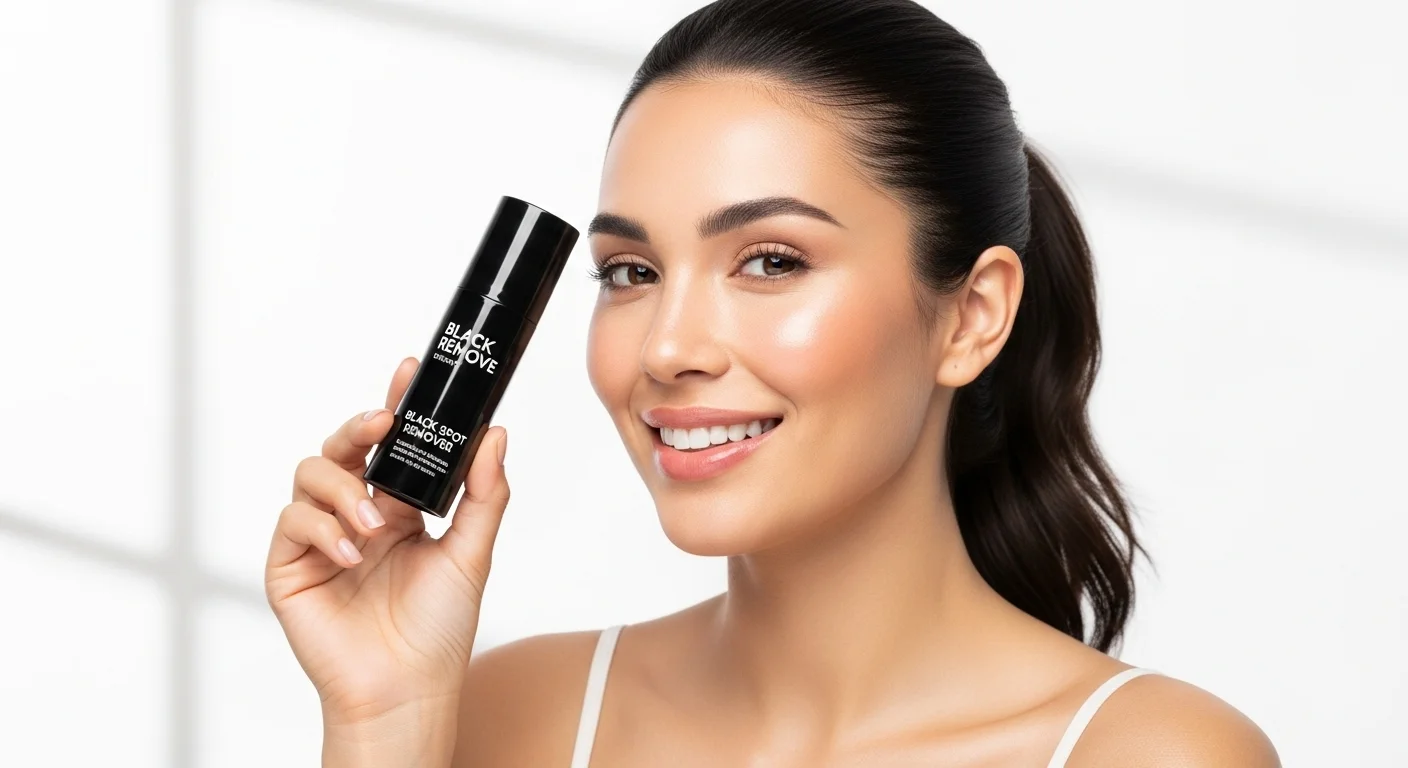
Dark spots on the face are one of the most common skincare concerns worldwide. Whether caused by acne, sun exposure, aging, or hormonal fluctuations, uneven pigmentation can significantly impact confidence and skin appearance. Choosing the right black spot remover is not just about buying a trending product but about understanding what causes pigmentation and how different treatments work.
This guide explains everything you need to know about dark spot removal, from causes and types to ingredients, routines, and realistic results.
What Is a Black Spot Remover?
A black spot remover is any skincare product or treatment designed to reduce the appearance of dark spots, hyperpigmentation, and uneven skin tone. These may include serums, creams, gels, dermatologist treatments, or even natural remedies.
Unlike general brightening products, spot removers target concentrated areas of pigmentation. They work by reducing excess melanin, accelerating skin cell turnover, or protecting the skin from further damage.
Search engines typically categorize these queries under skincare solutions, hyperpigmentation treatment, and dark spot removal guides. This shows a mix of informational and commercial intent, meaning users want both education and solutions.

What Causes Black Spots on the Face?
Understanding the cause of dark spots helps determine the most effective treatment.
Sun Exposure
Ultraviolet rays trigger excess melanin production, leading to sun spots and age spots. Without sunscreen, even the best treatments fail.
Post Acne Marks
Post inflammatory hyperpigmentation occurs after acne heals, leaving brown or dark marks behind.
Hormonal Changes
Melasma is often linked to pregnancy, birth control, or hormonal imbalance and appears as symmetrical patches.
Aging and Skin Damage
As skin renewal slows with age, pigmentation becomes more visible and persistent.
Environmental and Lifestyle Factors
Pollution, blue light exposure, poor sleep, and stress can worsen pigmentation over time.
Types of Black Spots and Why Treatment Depends on the Type
Not all dark spots are the same.
Post-inflammatory hyperpigmentation, on the other hand, responds well to ingredients like niacinamide and azelaic acid. Sun spots, however, often require exfoliation along with antioxidant protection to fade effectively. Meanwhile, melasma typically demands long-term care combined with strict sun avoidance for visible improvement.
A simple way to identify your dark spot type at home is to notice its pattern. Is it flat or raised? Localized or spread evenly? Recent or long-standing? These clues help guide treatment choices.
How Do Black Spot Removers Work?
Most dark spot treatments work in one or more of the following ways:
Slow melanin production to prevent further darkening. By exfoliating pigmented surface cells, these treatments help reveal fresher skin underneath. Additionally, they speed up cell turnover, allowing damaged skin to shed more quickly. At the same time, antioxidant protection helps prevent future pigmentation from forming.
Results vary depending on skin type and consistency. Some improvements appear within two to four weeks, while deeper pigmentation may take two to three months.
Best Ingredients in a Black Spot Remover (Science-Backed)
Vitamin C
Brightens skin, fades dark spots, and protects against sun damage.
Niacinamide
Reduces inflammation, controls oil, and improves uneven skin tone.
Retinoids
Increase cell turnover and help fade stubborn pigmentation.
Alpha Arbutin and Kojic Acid
Target melanin production and gradually lighten dark areas.
AHAs and BHAs
Glycolic and salicylic acids exfoliate pigmented skin cells and unclog pores.
Azelaic Acid
Effective for acne marks, redness, and post inflammatory hyperpigmentation.
Using ingredient combinations correctly improves results, while sensitive skin types should avoid over-layering strong actives.
Natural and Home Remedies for Dark Spots
Home remedies are popular for mild pigmentation.
Aloe vera soothes skin and supports healing. Turmeric mixed with yogurt may help brighten skin due to curcumin. Green tea and vitamin C-rich foods support skin health internally.
However, natural remedies work slowly and are not suitable for deep or hormonal pigmentation. Lemon juice and harsh DIY treatments often irritate and worsen dark spots.
If no improvement appears after several weeks, it is better to switch to clinically proven actives.
Professional and Dermatologist Treatments
For stubborn pigmentation, in-office procedures may be recommended.
Chemical peels remove pigmented surface layers. Laser therapy targets melanin directly. Intense pulsed light helps fade sun spots and age spots. Prescription retinoids provide stronger results under supervision.
These options vary in cost, downtime, and suitability. People with darker skin tones should consult experienced professionals to avoid complications.
How to Choose the Best Black Spot Remover for Your Skin Type
Oily skin benefits from lightweight serums with niacinamide or salicylic acid. Dry skin responds well to creams with hydrating actives. Sensitive skin needs gentle formulas with azelaic acid. Acne-prone skin should avoid heavy occlusive products.
Darker skin tones require treatments that fade pigmentation without triggering inflammation. Patch testing is always essential.
Daily Skincare Routine to Prevent Dark Spots
A consistent routine prevents new pigmentation.
Morning routine should include a gentle cleanser, antioxidant serum, moisturizer, and sunscreen SPF 30 or higher. Night routine should focus on treatment products and barrier repair.
Reapplying sunscreen and avoiding unnecessary sun exposure are critical. Lifestyle habits such as proper sleep, hydration, and avoiding picking at acne make a noticeable difference.
Common Mistakes That Make Dark Spots Worse
Over-exfoliating damages the skin barrier. Mixing strong acids and retinoids irritates. Skipping sunscreen reverses progress. Following viral skincare trends without understanding ingredients often leads to setbacks.
Slow and consistent care always outperforms aggressive routines.
How Long Does It Take for a Black Spot Remover to Work?
Most users notice early changes within two to four weeks. Visible fading usually appears after six to eight weeks. Deep pigmentation may take three months or more.
If there is no improvement after consistent use, the product may not be suitable for your skin or pigmentation type.
FAQs About Dark Spot Removal
Do dark spots disappear permanently? They can fade, but sun protection is essential to prevent recurrence.
Can men use dark spot treatments? Yes, skincare works the same regardless of gender.
Are treatments safe long-term? Most are safe when used correctly and combined with sunscreen.
Does makeup cause pigmentation? Heavy or comedogenic makeup can worsen acne-related dark spots.
Final Verdict: What Is the Best Way to Remove Dark Spots?
There is no single solution that works for everyone. Natural remedies suit mild cases, over-the-counter treatments work for moderate pigmentation, and professional care is best for stubborn spots.
Choosing the right black spot remover depends on your skin type, consistency, and realistic expectations. When used correctly, a well-planned routine can significantly improve skin clarity and confidence.

